


Some homes look “done” even when they are not full. Others can be filled with beautiful things and still feel unsettled. The difference is rarely budget or square metres. It is intention - the quiet discipline of choosing what belongs, where it belongs, and what you are willing to leave out.
Intentional interiors are not minimalist by default, and they are not sterile. They are edited. They reflect how you live, what you value, and what you want the room to feel like at 7pm on a Tuesday, not just in a bright morning photo. The goal is a space that reads as cohesive at first glance, then rewards you with detail up close.
What “intentional” really means in a home
Intentional design is a sequence of decisions that support one clear idea. That idea might be “warm, tailored and calm”, or “modern heritage with a little drama”, or “family-friendly, but still grown-up”. The point is not to chase a style label. The point is to set a direction that protects you from impulse buys and trend fatigue.
There is a trade-off here. The more intentional you are, the more you may delay purchases while you wait for the right piece. That patience is part of the aesthetic. If you prefer quick results, you can still work intentionally - you simply commit to a tighter palette and a smaller number of stronger moves.
Start with a feeling, then translate it into constraints
A room’s feeling is your brief. If you want the living room to feel restorative, you are already making choices: softer shapes, lower contrast, fewer high-gloss finishes, more tactile textiles. If you want it to feel energising and social, you will allow bolder contrast, clearer sightlines, and lighting that supports conversation.
The practical step is to turn that feeling into constraints you can shop with. Pick two or three words, then choose a limited set of materials and tones that naturally express them. For example, “quiet luxury” might suggest oak, linen, antique brass and a restrained, tonal scheme. “Collected and artistic” might allow deeper colour, more varied finishes, and a stronger emphasis on wall décor.
Constraints are not rules to restrict you. They are guardrails that keep the room looking composed.
Intentional interior design tips for layout: begin with circulation
If a room does not function, it will never feel finished. Before you fall in love with a silhouette, map how you move through the space. Identify the main routes: from door to sofa, sofa to dining, bed to wardrobe. Then protect them.
A common mistake is sizing furniture to the room’s dimensions rather than to its movement. You can have a large sofa in a modest room if the pathways are clear and the rest of the layout is disciplined. Equally, you can make a big room feel awkward with under-scaled pieces that float without purpose.
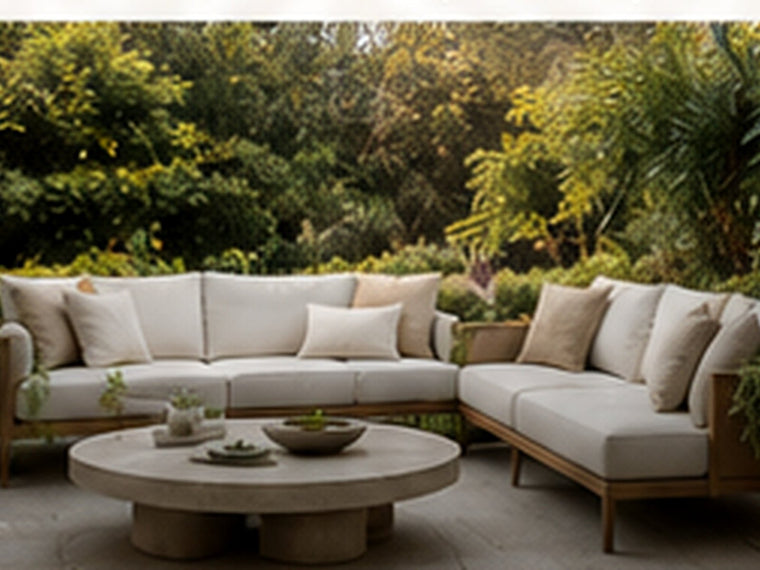
Think in zones. Even open-plan spaces benefit from distinct areas: a conversation zone, a reading corner, a dining moment. Each zone should have a visual anchor - typically a rug, a table, or a lighting feature - so it reads as intentional rather than accidental.
It depends on the household, of course. A home with young children may need larger clear areas, fewer sharp edges, and fabrics that are forgiving. Intention here is not preciousness. It is designing for real life and making it look considered.
Choose one statement piece per room, not five
An intentional room usually has a clear lead. A beautifully made dining table, a sculptural sofa, a cabinet with presence, a bed with confident proportions. When everything tries to be the hero, the room becomes noisy.
Let the lead piece determine the supporting cast. If your dining table is richly grained timber, you might keep chairs more restrained and place emphasis on lighting and tableware. If your sofa is tailored and architectural, you might soften the room with curved accent seating, a generous rug, and layered textiles.
The trade-off is real: a statement piece often asks you to be calmer elsewhere. That is not a limitation. It is how you create a room that feels expensive, even before anyone notices the brand or the joinery.
Work with a deliberate palette, then add one controlled contrast
Cohesion comes from repetition. Repeating wood tones, repeating metal finishes, repeating a family of neutrals. That repetition is what makes a home feel like it has been designed, not simply furnished.
Start with a core palette you can carry from room to room. This is where timelessness lives. Then add one controlled contrast per space: a deep green wall, a high-shine mirror, a dramatic pendant, a piece of wall décor with bold geometry. The contrast stops the room feeling bland, but because the base is consistent, it still reads as calm.
If you love colour, you do not need to abandon it. You simply give it structure. Use colour in larger, more intentional blocks rather than in scattered, unrelated accessories.
Invest in touchpoints: the pieces you use every day
Design becomes personal at the point of contact. The dining chair you sit on for long suppers. The bedside lighting you reach for half asleep. The handles you touch every morning. These touchpoints are where quality is felt.
If you are making choices on where to invest, prioritise comfort, craftsmanship and materials in the items that carry daily life. A well-made sofa or bed changes how you experience the home. A solid dining table becomes a centre for rituals, not just meals. Even hardware matters more than people expect - upgraded knobs and handles can make cabinetry feel bespoke without a full renovation.
This is also where “fewer, better” stops being a slogan and starts being practical. When the pieces you use most are right, you are less tempted to distract yourself with constant small purchases.
Lighting is not an afterthought - it is the atmosphere
If you take only one of these intentional interior design tips, make it lighting. A room can have exceptional furniture and still feel flat under a single central fitting.
Aim for layers: ambient light for general illumination, task light for reading or prep, and accent light to add depth. Table lamps and wall lights bring the room down to a human scale and create intimacy. A considered pendant over the dining table creates a sense of occasion even on ordinary evenings.
Choose your temperature with care. Warmer light generally flatters materials like timber, brass and textiles. Cooler light can feel crisp, but it can also make a home feel less welcoming. Dimmers are not a luxury in a premium interior - they are control.
Use walls with purpose: art, mirrors, and wallpaper
Blank walls are not neutral. They are unanswered questions.
Art and wall décor should relate to the room’s scale, not just your sofa length. If a piece is too small, it will hover apologetically. If you are not ready to commit to a large artwork, a mirror can give you scale and light while still feeling timeless.
Wallpaper is another tool for intention, especially when you want the room to have identity without relying on lots of objects. A premium wallpaper can bring texture, pattern and depth in one move, and it pairs beautifully with edited furniture. The key is placement. A single feature wall can be right if it supports the architecture and the layout. Whole-room wallpaper can feel enveloping and elevated in spaces like dining rooms, studies, and bedrooms.
Style in “finishing layers”, not clutter
Accessories are not there to fill gaps. They are there to complete a composition.
Think in finishing layers: textiles for softness, objects for gleam and personality, and a few sculptural forms to hold the eye. A throw and cushions should echo the room’s palette, not introduce a new one. Vases, candles and tableware should feel like a family, even if they are not matching.
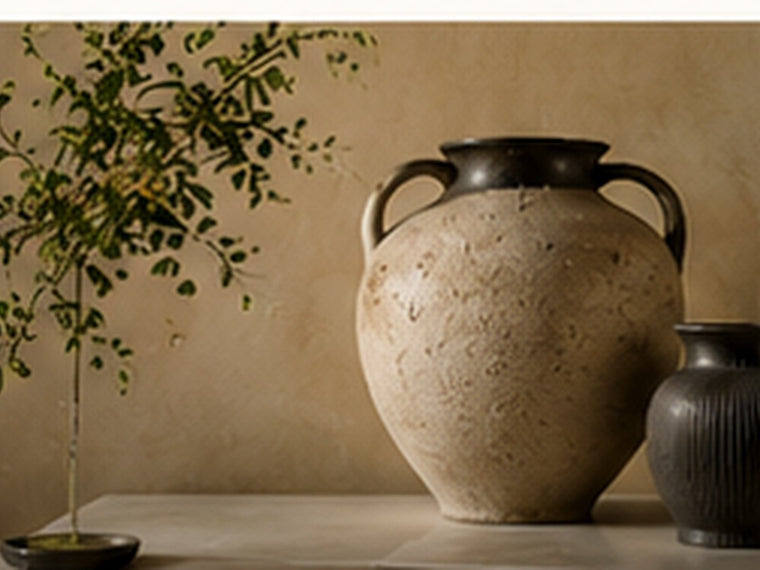
Be wary of decorative overload. Too many small objects read as visual noise, and dusting becomes a lifestyle. A more intentional approach is to choose fewer accessories with better materiality - a weighty vase, a beautifully proportioned bowl, a candleholder with a considered finish - and give them space.
If you want a reliable method, work in odd numbers for groupings, and vary height and texture. But stop once it looks complete. The final 10 per cent is often where a room tips from curated to cluttered.
Make storage part of the design story
The most elegant home is the one that can stay elegant on an ordinary day. That means closed storage where you need visual calm, and open display where you want character.
Cabinets, sideboards and wardrobes should be chosen with the same care as sofas and tables. They are not purely functional boxes. Proportions, feet, handles, and finishes all contribute to whether a room feels tailored.
There is an “it depends” here. If you are a collector, open shelving can be perfect. If you prefer a serene look, lean into closed cabinetry and let a few intentional objects do the talking.
Shop like an editor, not a browser
Intentional interiors come from editing. That means returning to your brief, checking scale, and asking one simple question: does this piece strengthen the room’s idea, or is it simply attractive on its own?
Shopping is easier when the assortment is already curated. If you prefer to build a cohesive home across major furniture and the finishing layers - lighting, mirrors, wall décor, tabletop, textiles, even hardware - a tightly edited retailer can help you keep consistency without making everything feel matched. This is exactly the sort of “curated essentials plus statement pieces” approach you can explore at Luxonas, online or in the Żebbuġ showroom, with delivery across Malta and Gozo.
The discipline, however, is still yours. Give yourself permission to pause. A room that comes together over time often feels more confident than one filled in a weekend.
Design for the way you want to live next
The most satisfying homes are not replicas of a moodboard. They are frameworks for real life: dinners that run late, mornings that start early, guests who stay longer than planned. Intention is simply deciding what you want your days at home to feel like, then choosing pieces that support that feeling, beautifully and without apology.
0 comments