

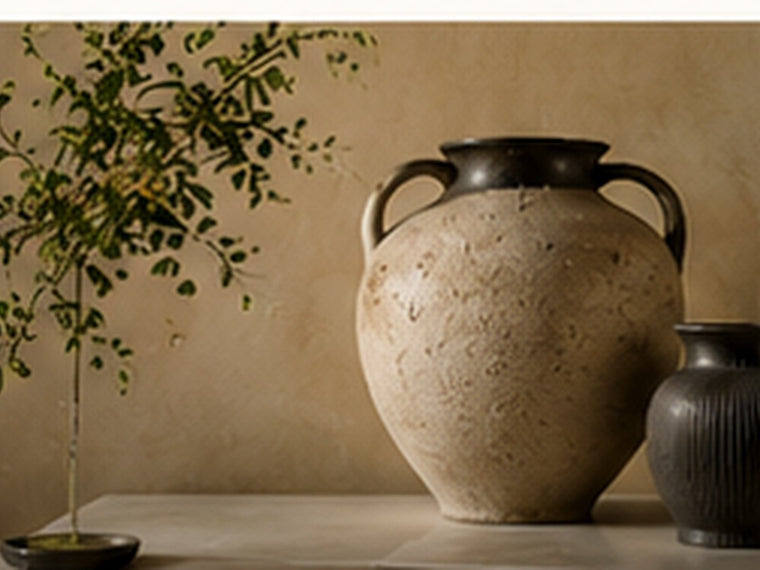
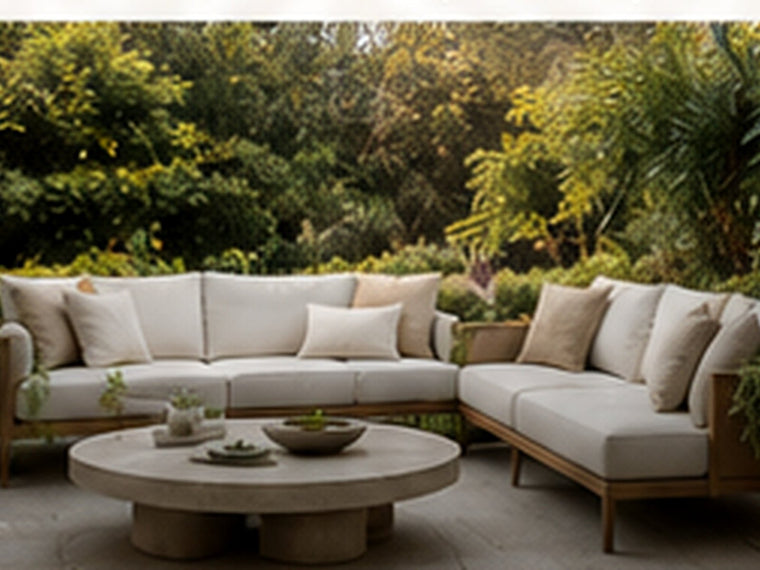

You know the moment. You walk into a room and your eye lands on one piece - not because it is loud, but because it is resolved. Proportions make sense, materials look honest, and the whole space seems to have organised itself around it.
That is the quiet power behind statement pieces: they do the heavy lifting visually, so everything else can be simpler, better, and more intentional. If you are shopping for statement piece furniture ideas, the aim is not to chase novelty. It is to choose one or two anchors that will still look right when you change a rug, repaint a wall, or swap cushions five years from now.
What actually makes a piece “statement” (without trying too hard)
A statement piece does not need maximalism. Often, it is one of three things.First, scale. A generously sized sofa, a long dining table, a tall cabinet - pieces that claim space with confidence.
Second, silhouette. Curves, strong lines, sculptural legs, a distinctive backrest - anything that reads like design rather than default.
Third, material presence. Solid wood with visible grain, real stone, aged brass, hand-finished lacquer, richly toned upholstery. You can feel quality before you touch it.
The trade-off is simple: the stronger the statement, the more restraint you will want elsewhere. If you choose a dramatic dining table, let the lighting and chairs support it rather than compete.
1) The hero sofa that defines the living room
If one piece deserves to lead, it is the sofa. In open-plan homes, it also becomes a soft architectural element that shapes how you move through the space.A statement sofa can be about profile (low and deep, or elegantly upright), upholstery (bouclé, velvet, textured linen), or configuration (a generous chaise, a curved form, or a modular arrangement that looks tailored rather than pieced together).
Balance it with a calmer coffee table and considered lighting. If the sofa is sculptural, keep side tables slim. If the sofa is simple, you can afford a more expressive table.
2) A sculptural coffee table with serious materiality
Coffee tables are often treated as accessories, but a substantial table in stone, marble-effect, travertine tones, or richly grained wood can bring instant gravitas.The key is proportion. A coffee table should feel anchored to the seating - not stranded in the middle. If your seating is light and raised, a heavier table adds grounded contrast. If your sofa is visually weighty, choose a table with openness underneath (slender legs, or a floating top).
If you live with young children or entertain often, be honest about edges and finishes. A rounded silhouette and forgiving surface can still look elevated.
3) The dining table that turns meals into occasions
A dining table is one of the most satisfying statement investments because it is used, seen, and lived with. Go long if you host, go round if you want easier conversation, and go oval if you want softness without losing length.Wood is timeless, but consider the understructure too. A pedestal base can read more sculptural and makes seating easier. A bold leg detail can carry the entire room when the rest is pared back.
Let the table lead, then layer in chairs that complement rather than mimic. Too much matching can feel showroom-perfect in the wrong way. Aim for a collected look: cohesive materials, slightly varied forms.
4) A glass-front or fluted cabinet that elevates storage
Storage can be beautiful. A tall cabinet with glass fronts, fluted detailing, or refined metalwork becomes part of the room’s composition, not something you hide.Use it to display pieces you actually enjoy: tableware, books, small sculptures, a few objects in ceramic or glass. The restraint is what makes it feel curated. If you find you are filling every shelf, it is a sign you need either fewer items or more closed storage.
Position matters. Cabinets like to be seen with breathing room - a wall where the piece can read as a vertical statement, rather than squeezed between doorways.
5) A sideboard that anchors a dining room (and works hard)
A sideboard is a design shortcut: it gives the dining room structure even when the table is cleared. The best ones have presence through length, rhythm, and material contrast.Look for craftsmanship details that hold up over time - quality handles, confident joinery lines, and a finish that reads as intentional. Then style the top with a disciplined hand: one statement lamp, one bowl or vase, and one piece of art or a mirror above. Three elements are usually enough.
6) The bed that turns the bedroom into a suite
Bedrooms often end up as an afterthought, but a strong bed changes that instantly. Upholstered headboards with generous height, refined wood frames, or subtly curved forms create a hotel-like finish without feeling themed.The trade-off is scale: a tall headboard in a small room can overwhelm. If you are tight on space, choose a more sculptural silhouette with less bulk, and let the textiles do the softness.
Keep bedside tables calm and functional. When the bed is the hero, the room feels more restful.
7) A statement mirror that acts like architecture
Mirrors are not just for reflection. An oversized mirror can bring light, depth, and a sense of structure to a hallway, living room, or bedroom.A statement mirror is usually about shape (arched, elongated, organically contoured) or framing (antique gold, dark timber, minimal metal). The right mirror can replace the need for multiple smaller wall pieces.
Hang it with intention. Too high and it feels disconnected; too low and it can look accidental. Align it to furniture heights and sightlines rather than centring it by default.
8) An armchair with a distinctive silhouette
A single armchair can do what an entire set of matching seating cannot: add character. Think of it as punctuation for the living room or reading corner.A statement chair works best when it contrasts the sofa. If the sofa is tailored and linear, choose a rounded chair. If the sofa is soft and voluminous, choose something more structured. Upholstery can be subtle, but texture should be present.
Consider comfort as part of the design. A chair that looks beautiful but is never used is a missed opportunity.
9) A console table that makes the entrance feel intentional
Hallways and entrances set the tone. A console in rich wood, stone-effect, or a refined metal frame creates a moment of arrival.Keep the styling tight: a lamp for warmth, a tray for keys, and one artwork or mirror above. If your hallway is narrow, choose a slim depth and let height do the statement instead.
10) A wardrobe or tall chest that reads like fitted furniture
Bedrooms benefit from vertical statements, especially when floor space is limited. A tall chest, wardrobe, or armoire with thoughtful detailing can feel like bespoke joinery without the renovation.The trick is to avoid visual clutter. If the piece has strong grain or bold doors, keep surrounding walls and textiles quieter. If the room is already patterned, select a cleaner finish.
11) Lighting that behaves like furniture
Lighting is often the most overlooked statement layer, yet it is the one you notice at dusk when the room truly comes alive.A large pendant above a dining table, a sculptural floor lamp by the sofa, or a pair of substantial table lamps on a sideboard can carry a space. Treat lighting as volume and form, not just illumination.
Scale is where most rooms fall short. If your pendant looks small, the room will feel unfinished, even if everything else is high quality.
12) Wallpaper paired with one strong piece
Wallpaper is not furniture, but when it is premium and used with restraint, it becomes the backdrop that makes a statement piece sing.Use it behind a sideboard, a bed, or in an entrance where it frames a console. The trade-off is commitment: wallpaper sets a mood. Choose patterns that feel timeless in palette and motif, then let furniture be the tactile counterpoint.
How to choose the right statement for your home
Most homes only need one major statement per room. Two can work if one is large and quiet while the other is smaller and expressive. Beyond that, the room starts to feel like a competition.Start with the piece you will use the most. For some homes that is the sofa; for others, it is the dining table. Then consider your existing fixed elements - flooring, wall colour, and natural light. A dark velvet sofa can feel cocooning in a bright room and heavy in a dim one. Pale timber can glow in sun and look washed out under cool lighting.
Finally, keep a clear supporting cast. When a statement piece is chosen well, the rest of the room can be edited essentials: honest materials, coherent tones, and a few finishing layers that bring warmth.
If you prefer to shop within a curated world rather than wade through endless options, you can explore heirloom-quality statement pieces and refined essentials at Luxonas, with showroom access in Malta and delivery across Malta and Gozo.
Choose one piece that feels inevitable in your space - the kind you would never tire of seeing first when you walk in - then let the room arrange itself around that decision.
0 comments