


A living room can look “finished” in photographs and still feel oddly unresolved in real life. It is usually not a lack of budget or taste. It is the absence of a few anchoring pieces that carry the room, plus the quiet finishing layers that make it feel lived-in rather than staged.
That is where curated essentials for living room design matter. Curation is not about having less for the sake of minimalism. It is about choosing fewer, better pieces with clear roles: one or two that set the tone, several that support the mood, and a final layer that brings warmth and personality without noise.
What “curated essentials” actually means in a living room
An essential is not simply something you can buy. It is something that earns its place through use, proportion, and permanence. In a curated living room, every key category has a purpose: comfort, visual balance, storage, light, and texture.
The trade-off is real. A tightly edited room can feel calmer and more architectural, but it also puts pressure on each choice. If you pick the wrong sofa silhouette or a rug that is slightly too small, there is nowhere for that mistake to hide. The upside is that when the fundamentals are right, you can refresh the mood with small shifts - cushions, a throw, a new lampshade - without redoing the whole room.
The hero: a sofa that sets the standard
The sofa is usually the largest object in the living room, which means it becomes the reference point for everything else. Start with how you actually live. If you host often, depth and seating capacity matter more than a sculptural profile. If the living room is your retreat, comfort and upholstery choice will dictate the experience.
Look first at proportion. A sofa that is too bulky will compress the room; one that is too slight can feel temporary. In many homes, the sweet spot is a silhouette that reads tailored from a distance, then feels inviting up close. Materials should follow your pace of life. Linen blends and textured weaves give a relaxed, premium look but may show wear differently to tighter weaves. Leather can be heirloom-worthy and forgiving, yet it changes the acoustics and temperature of the room, and it asks for considered styling so it does not feel overly formal.
If you are choosing between a classic shape and a more contemporary statement piece, decide what you want the room to say in ten years, not just this season. Timeless does not mean plain. It means a form that can live with shifting art, changing paint, and new accessories without becoming the thing you need to replace.
The anchor: a rug that pulls the room together
Nothing makes a living room feel disjointed faster than a rug that is undersized. A properly scaled rug acts like an invisible frame: it gathers the seating, softens sound, and makes furniture placement feel intentional.
As a rule of thumb, aim for the front legs of your sofa and key armchairs to sit on the rug. In larger rooms, placing all legs on the rug can look beautifully composed, but it depends on the footprint and whether you want a more intimate “conversation area” within an open-plan space.
Texture does a lot of work here. A flatweave can look crisp and modern, while a deeper pile leans towards comfort and warmth. If you have pets, children, or an energetic hosting schedule, you may prefer a rug that disguises life rather than insisting on perfection. Pattern can be practical in that sense, but it should support the room rather than compete with your artwork or statement lighting.
The workhorse: a coffee table with presence
A coffee table is the most handled surface in the living room. It holds the everyday and the occasional: remote controls, a morning espresso, a tray for guests, a book you actually open.
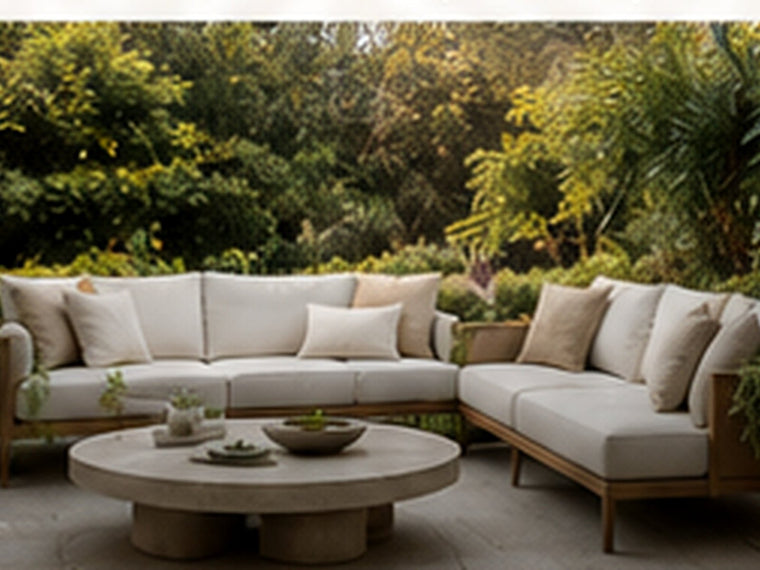
Choose a shape that matches the way you move through the room. Rectangular tables suit longer sofas and allow for generous styling, but can feel sharp in tight walkways. Round or oval tables soften circulation and are often kinder in family spaces. Material matters, too. Stone and marble feel quietly luxurious and age with character, but they can be less forgiving with spills and require mindfulness with coasters. Timber adds warmth and is generally easier to live with, though the finish quality will determine how well it resists marks.
The key is visual weight. If your sofa is low and substantial, a delicate table can feel underpowered. If your seating is more refined, an overly chunky table can dominate. Think of it as a partnership, not a standalone purchase.
The supporting cast: occasional seating that earns its keep
An armchair is not merely “extra seating”. It is an opportunity to introduce a new silhouette, a contrasting material, or a slightly bolder colour without overwhelming the room.
Occasional chairs work best when they have a clear job. One might be a reading chair by a floor lamp. Another might be positioned to complete a conversational layout. If space is limited, a pair of lighter chairs can be easier than a heavy loveseat, keeping the room open while still feeling complete.
It depends on your architecture. In a room with high ceilings and strong cornicing, you can carry more formality. In a modern flat with clean lines, a sculptural chair can provide softness and character.
The quiet essential: storage that keeps the room calm
The most beautiful living rooms have one shared trait: there is a place for everything. That does not mean hiding your personality. It means controlling visual clutter so the pieces you love can be seen.
A sideboard, cabinet, or media unit should feel integrated, not like an afterthought. Consider the height in relation to your sofa back and artwork. A low, long unit can make a room feel wider and more grounded. A taller cabinet can be ideal when floor space is limited, but it needs breathing room so it does not read as bulky.
If you are planning around a television, treat it as part of the composition. Either commit and centre it with balanced cabinetry, or minimise its dominance with thoughtful placement and surrounding art and objects. The goal is not to pretend the TV does not exist. It is to make it belong.
Lighting: the difference between a room and a mood
Lighting is where many living rooms fail, even expensive ones. A single ceiling light will flatten your furniture and make evening feel harsh. Curated essentials for living room comfort always include layered light.
Start with a statement ceiling fixture if your room suits it. This is often the piece that signals taste immediately, and it can add sculptural interest even when it is off. Then build in lamps. A floor lamp beside a chair creates a reading zone. Table lamps on a sideboard or console add glow at eye level, which is what makes faces look good and evenings feel welcoming.
Bulb choice matters. Warm light tends to flatter most interiors, particularly with natural materials and richer tones. If you use cooler light for task areas elsewhere in the home, let the living room remain warmer. It should feel like an exhale.
Side tables and consoles: small pieces, major impact
Side tables are not filler. They are comfort in a physical form: somewhere to place a glass without leaning forward, somewhere to rest a book, somewhere to add a lamp.
Match their scale to your seating. A side table that is too low feels awkward; too high looks ungainly. Finishes can either blend for a serene look, or contrast to add depth. A timber table beside an upholstered sofa reads warm and relaxed. A metal or stone piece can sharpen the look and introduce a more architectural note.
A console table can be transformative behind a floating sofa or in a narrow area that needs purpose. It is also one of the easiest ways to make a living room feel curated, because it creates a dedicated surface for lighting, art, and a small vignette that looks intentional.
Wall layers: mirrors, art, and the discipline of spacing
Walls are not a last step. They are a structural part of the room’s balance. The right artwork or mirror can correct proportion, add height, and make a space feel more generous.
Mirrors are especially effective in Maltese homes where light is strong and architectural lines are often crisp. A mirror can bounce daylight deeper into the room, but it needs a considered placement so it reflects something worth seeing.
For art, size is usually the issue. People often buy pieces they love, then hang them too high or choose sizes that feel timid above a sofa. If you want a calmer look, one larger piece can feel more refined than several small ones competing for attention. If you prefer a gallery wall, keep a consistent thread - a shared frame finish, a restrained palette, or a repeating motif - so it feels collected rather than chaotic.
Textiles and finishing touches: the layer that makes it yours
This is where a living room becomes personal. Cushions, throws, curtains, candles, and decorative accessories should not be random. They should echo the room’s key choices.
If your large furniture is neutral, bring in nuance through texture: bouclé, linen, wool, woven trims. If your sofa or rug already carries colour or pattern, keep cushions calmer and let materials do the talking. A good rule is to repeat a tone at least twice so it feels intentional - a hint of walnut in a frame and a bowl, or a deep green in a cushion and a vase.
Scent is a detail people remember. A quality candle or diffuser can become part of the room’s identity, especially when paired with soft lighting in the evening.
How to keep the edit tight, not sparse
The difference between curated and empty is intention. A living room can have plenty of objects and still feel calm if they are chosen with restraint.
Try this approach: let one or two pieces be the statement, then allow everything else to support. If your chandelier is bold, keep the coffee table styling quieter. If your sofa fabric is richly textured, choose smoother finishes elsewhere. And give objects space. Crowding is what makes even beautiful pieces look ordinary.
If you want a single place to build a cohesive look across major furniture and the finishing layers - lighting, mirrors, textiles, and decorative details - Luxonas is designed around that edited approach, with collections that make coordinating feel natural rather than effortful.
A living room does not need to prove anything. When the essentials are chosen with care, the room stops asking for more and starts giving something back: ease, warmth, and the quiet confidence of a space that will still feel right years from now.
0 comments