


You can spot a good sofa the moment you walk into the room. The proportions feel calm. The seat invites you in without looking slouchy. The upholstery has depth, not shine. And somehow, even before anyone sits down, it holds the space together.
That is the quiet promise of designer sofas. They are not about a label stitched under a cushion. They are about decisions made with intention - silhouette, material, construction and the way the piece sits in your home across seasons, guests, and everyday life.
Why designer sofas change a room
A sofa is usually the largest upholstered item in a living space, which makes it your strongest visual anchor. When that anchor is thoughtfully designed, the rest of the room becomes easier to resolve. Your rug size makes sense. Your coffee table stops feeling like an afterthought. Your lighting reads as deliberate.The other shift is emotional. Designer pieces tend to be composed, not loud. Even statement shapes feel controlled. That sense of restraint is what gives a room longevity - it will still look considered when the trend cycle has moved on.
None of this requires a minimalist home. A maximal interior can still feel timeless when the major pieces are well-proportioned and made from honest materials.
Designer sofas, defined by what you cannot see
Most of the difference lives under the upholstery. It is also where the trade-offs sit, so it is worth understanding the fundamentals.The frame and what it means for longevity
A sofa frame should feel unwavering when you lift one end or press on the arms. A solid timber frame, properly joined, is the sort of foundation that can handle years of daily use without developing the soft wobble that cheaper construction often brings.If you move home frequently or plan to reconfigure rooms, frame strength matters even more. A sofa that looks beautiful but cannot cope with being shifted, delivered, and settled again is not really a long-term buy.
Suspension: comfort is engineered
Comfort is not only down to cushions. It is engineered through the suspension system, which supports weight and controls bounce. A well-made sofa will feel supportive in the centre seat, not just on the corners. Sit down and notice whether you sink unevenly or feel a ridge. Those small signals tell you how the sofa will feel after six months, not just in the showroom.Cushion fillings: the most personal choice
This is where “it depends” is genuinely true. Feather and down feel indulgent and relaxed, but they require plumping and suit those who enjoy a softer sit. High-quality foam offers structure and ease, but if it is too firm it can feel overly upright for lounging.Many of the most liveable designer sofas use a blend: supportive cores with softer toppers. The goal is a seat that looks tailored yet welcomes you at the end of the day.
Choosing a silhouette that suits your home
A designer sofa should express the mood of the room while respecting its architecture. Start with how you want the space to feel, then let the shape follow.Low-profile sofas for modern calm
A lower back and deeper seat can make a room feel more contemporary, especially in open-plan settings. These are wonderful for relaxed evenings, but they can be less supportive for upright reading. If your living room is also your “everything room”, consider pairing a low sofa with a more supportive armchair nearby.Classic tailored shapes for timeless interiors
A more traditional profile - defined arms, balanced seat depth, supportive back - tends to suit homes where you entertain, host family, and want the room to feel composed even when life is busy. Tailored does not mean stiff. It means the lines stay elegant, even with use.Modular and sectional sofas for real life
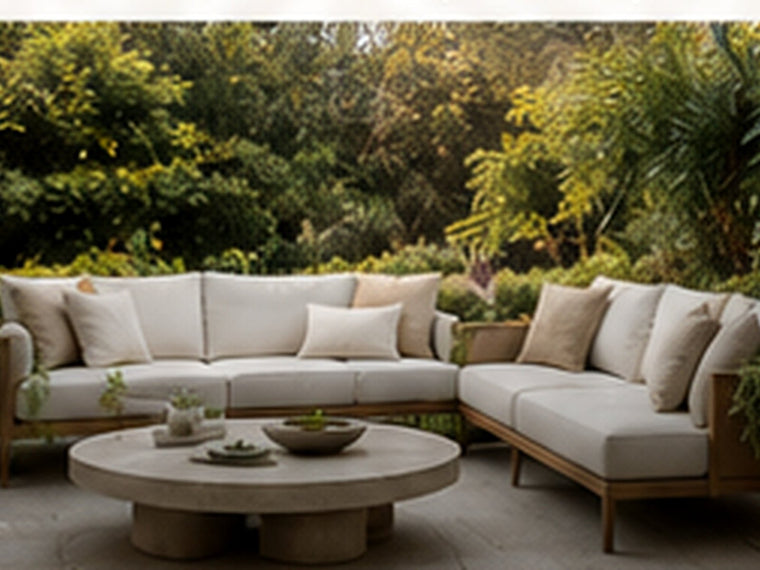
Sectionals earn their place in family rooms and generous open spaces. The advantage is obvious: you can build seating that matches how you actually live. The caution is scale. A large modular can dominate a room if the rest of the scheme is not equally grounded.If you are drawn to a sectional, pay attention to arm height and back height. Chunky proportions can feel cosy, but they can also block sightlines and light, especially in smaller British living rooms.
Curved designer sofas as a statement piece
Curves bring softness and a more editorial mood. They work beautifully in rooms with rounded architectural details or when you want to break up a space full of straight lines.The practical consideration is placement. Curved sofas often prefer breathing space, so they shine in larger rooms or when used to float away from the wall. If your room layout forces everything against the perimeter, a curved silhouette may not show its best side.
Fabric, leather, and the reality of everyday use
Upholstery is where aesthetics meets life. The best choice is the one that still feels beautiful after a normal week.Natural fibres such as linen and cotton can look exceptionally refined, especially in textured weaves that catch the light without looking glossy. They do, however, show wear and creasing more readily, which some people love as part of a lived-in patina.
Wool blends are often underrated. They can be resilient, warm in tone, and forgiving with daily use. If your home leans towards layered textures and subtle pattern, wool is a strong candidate.
Leather brings a different kind of luxury: tactile, confident, and often easier to wipe clean. It also changes over time. That evolution can be part of the appeal, but you should choose a leather grade and finish that suits your appetite for patina. A pristine look forever is rarely realistic.
If you have pets or young children, resist the idea that you must choose the most “practical” fabric at the expense of style. Instead, look for tightly woven textiles, deeper tones, and textured finishes that disguise the small marks of everyday living. Practicality can still be beautiful.
Getting the size right without guesswork
A sofa can be exquisite and still be wrong for your room. The most common issue is not that it is too large, but that it is the wrong proportion.Think in three dimensions: length, depth, and visual weight. A deep seat may be perfect for lounging, but it reduces walking space and can make a compact room feel cramped. A long sofa can work in a narrow room if it is visually light - slimmer arms, higher legs - rather than heavy and grounded.
Before you buy, map the sofa footprint in the room using masking tape. Then walk around it as if you are carrying a tray, helping a child with homework, or opening a cabinet. This is the unglamorous part that prevents expensive regret.
Also consider how the sofa arrives. Many British homes have tight stair turns, narrow hallways, and awkward entrances. Check access early so you do not fall in love with a piece that cannot comfortably reach your living room.
Styling designer sofas so they look intentional
A designer sofa does not need over-styling, but it does respond to thoughtful finishing.Cushions should look curated rather than collected. Two or three in complementary tones and textures often read more premium than a pile of mismatched patterns. A throw works best when it echoes a colour already in the room, not when it introduces a new accent that appears nowhere else.
Let your lighting do some of the work. A strong floor lamp or sculptural table lamp makes the sofa area feel like a destination rather than a waiting zone. If the sofa is a statement shape, keep the coffee table simpler; if the sofa is tailored and quiet, you can afford more personality in the table or the wall décor.
Most importantly, scale the rug properly. A small rug makes even the best sofa look like it is hovering. When in doubt, go larger so at least the front legs of the sofa sit comfortably on the rug.
The buying experience: showroom confidence, online ease
Designer sofas are a considered purchase, and it is normal to want reassurance before committing. The most satisfying route is usually a blend of inspiration and verification.Online browsing helps you narrow down silhouettes, colours, and moods quickly. But sitting on a sofa is still valuable, particularly if you are sensitive to seat depth or back support. If you can, visit a showroom to test comfort and see upholstery in natural light.
For those furnishing in Malta and Gozo, curated retailers such as Luxonas make the process simpler by editing the choice down to pieces that already meet a certain standard of design and materiality. That kind of curation is not about less variety for the sake of it - it is about reducing the risk of buying a sofa that photographs well but disappoints in real life.
When to invest, and when to hold back
Not every room needs the most elevated sofa you can afford. If you are furnishing a rarely used reception room, you might prioritise visual presence over the most indulgent sit. If you are designing a family living room where everyone collapses daily, comfort and durability deserve the larger share of budget.It also depends on how complete your room is. A spectacular sofa in an otherwise unfinished space can feel like a single expensive decision floating in a sea of “later”. Sometimes the better move is a slightly simpler sofa paired with the right rug, lighting, and artwork so the whole room lands at once.
The best designer sofa is the one that supports the life you actually live, while keeping the room looking composed. Choose it with the same intention you would give to architecture: not to impress, but to endure.
A final thought to take with you: if a sofa makes you exhale when you sit down, and you still admire it when you stand up and look back at the room, you are close to the right one.
0 comments