


A room rarely falls short because it lacks more. More often, it lacks judgement. The most compelling home decor is not a collection of attractive things placed side by side, but a careful edit of pieces that give a room depth, rhythm and identity. When every object has a role, an interior feels calm, assured and complete.
That distinction matters. Design-conscious homes are rarely built through impulse alone. They come together through proportion, material contrast and a clear sense of what should anchor the room and what should soften it. Good decoration is not about filling surfaces. It is about creating atmosphere with intention.
What makes home decor feel elevated
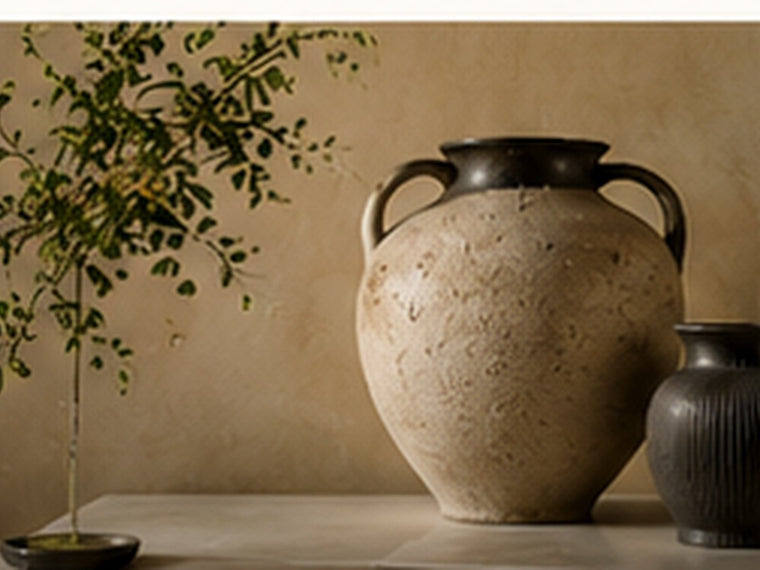
Premium interiors tend to share one quality: restraint. Not sparseness for its own sake, but the confidence to choose fewer, better pieces. A sculptural mirror above a console can do more for an entrance hall than a cluster of smaller accents competing for attention. A weighty ceramic vase, placed where the eye naturally rests, can hold a room more effectively than several decorative accessories scattered without purpose.
This is where quality quietly changes everything. Materials with integrity - linen, marble, solid wood, hand-finished metal, mouth-blown glass - bring texture and permanence that mass-market styling often cannot. They age well, hold their place visually, and make even simple rooms feel considered. If furniture sets the architecture of the interior, decor is what gives it personality.
There is, of course, a balance to strike. A room with only statement pieces can feel staged. A room with too many softening touches can feel unresolved. The strongest spaces combine structure with ease: lighting that adds shape, textiles that add softness, wall decor that adds scale, and small objects that make the room feel lived in rather than merely arranged.
Start with the room, not the accessory
One of the most common mistakes in home decor is shopping object-first. A candle holder catches the eye, a tray looks useful, a vase seems easy to place - and before long, the room is full of well-meaning additions that do not quite belong together. A more refined approach begins with the room itself.
Look first at what the space asks for. A living room may need height, perhaps through a floor lamp or tall branch arrangement. A dining room may need a visual centre, often achieved with lighting overhead and a grounded table setting below. A bedroom may need softness rather than decoration in the obvious sense, which could mean layered textiles, a generous mirror, or bedside lighting with a warm, flattering glow.
When you assess a room in this way, decor becomes functional as well as beautiful. It solves visual problems. It can widen a narrow wall, soften a hard corner, bring warmth to a cool palette, or introduce craft into a room dominated by clean lines.
The layers that give home decor its depth
The most memorable interiors are built in layers. Large furniture pieces establish proportion. Then come the finishing elements that bring nuance.
Lighting shapes mood
Lighting is one of the most transformative decorative tools in the home. It does more than illuminate. It sculpts mood, gives importance to certain corners, and shifts a room from practical to atmospheric. Table lamps add intimacy to sideboards, consoles and bedside tables. Pendant lighting creates drama above dining tables and kitchen islands. Wall lights can bring elegance to transitional spaces that are often overlooked.
The trade-off is that decorative lighting must still work for real life. A beautiful lamp with poor light output will frustrate in daily use. Layered lighting is usually the answer: ambient light for overall visibility, task lighting where needed, and decorative lighting for warmth and dimension.
Textiles bring softness and quiet luxury
Textiles are often underestimated because they read as subtle rather than dramatic. Yet curtains, cushions, throws and upholstered accents are what make a room feel finished. They absorb sound, soften hard edges and introduce a tactile richness that polished surfaces alone cannot provide.
This is also where colour can be handled with confidence. If you prefer a timeless base of stone, taupe, ivory or charcoal, textiles offer a lower-commitment way to bring in seasonal depth - olive, rust, ochre, deep blue - without unsettling the room’s core identity.
Mirrors and wall decor create scale
Bare walls can make even well-furnished rooms feel temporary. The right mirror or wall decor gives architectural presence. Mirrors are especially effective in entrance halls, dining areas and smaller rooms where they bounce light and increase the sense of space. Art and wall pieces, on the other hand, can introduce character, tension and narrative.
Scale is critical here. Pieces that are too small tend to look apologetic. Pieces that are too large can dominate. As a rule, wall decor should relate clearly to the furniture beneath it, neither shrinking away from it nor overwhelming it.
Decorative objects should earn their place
Accessories are the final layer, not the starting point. Vases, candleholders, bowls, trays and tabletop accents work best when they punctuate a room rather than crowd it. They should vary in height, finish and form, but still speak the same visual language.
A useful test is to remove half of what is on display. If the room immediately feels calmer and more expensive, it was carrying too much. Decorative objects should create moments of interest, not visual noise.
How to create a cohesive look without overmatching
A cohesive interior does not mean buying everything from one set or repeating the same finish in every corner. In fact, rooms become flatter when they are too coordinated. Cohesion comes from consistency of tone, scale and material quality.
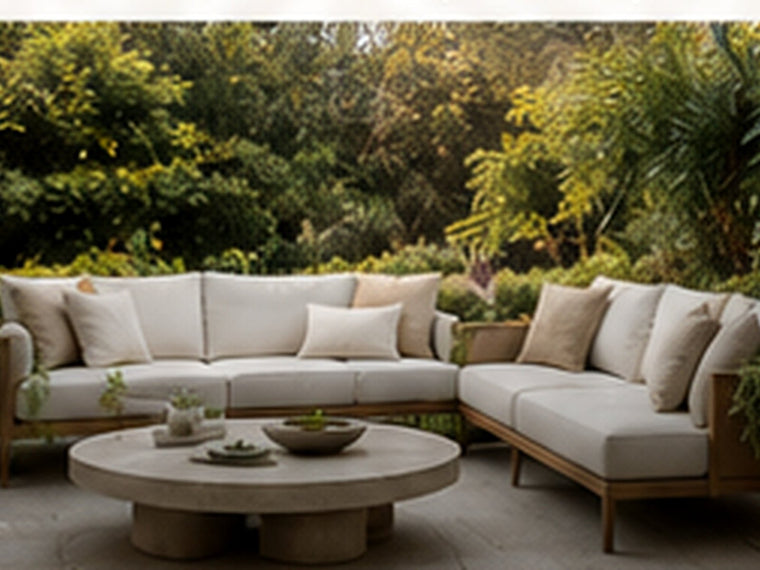
If your dining table is in dark timber, that does not require identical wood tones elsewhere. It does suggest, however, that surrounding decor should acknowledge that richness. Brass lighting, linen upholstery, smoked glass or textured ceramics can all complement it without looking overly matched. Likewise, if a living room is built around a pale, sculptural sofa, surrounding pieces should support that softness rather than fight it.
Collections can help here because they remove some of the guesswork. A well-curated range makes it easier to pair statement furniture with lighting, mirrors, wall decor and tableware that feel naturally aligned. For homeowners furnishing several rooms at once, this is often the difference between a home that feels designed and one that feels assembled.
Timelessness over trend
Trend-led home decor has its place. It can refresh a room, introduce energy and prevent an interior from feeling overly serious. But trend should sit at the edges, not form the foundation. The pieces you live with every day - the mirror in the hall, the lamp in the sitting room, the vase on the dining table, the wallpaper in a guest bedroom - should still feel relevant years from now.
That is why craftsmanship matters. Heirloom-quality goods do not rely on novelty. They hold their appeal through material, proportion and finish. A beautifully made cabinet handle, a well-balanced pendant, or a substantial ceramic vessel may not shout for attention, but it continues to reward the eye over time.
For many homes, the best approach is a timeless base with selective changes around it. Introduce seasonal flowers, refresh candle scents, swap a cushion cover or tabletop arrangement. Keep the enduring pieces constant. This protects the room’s integrity while allowing it to feel alive.
Decorating for the way you live
The finest interiors are not only beautiful on arrival. They remain beautiful in use. That means home decor should answer to real habits, not fantasy ones. A family dining table needs styling that can be cleared easily. A hallway mirror should work for everyday departures, not just first impressions. Candles and objects on a coffee table should leave enough room for books, trays and the ordinary rituals of home.
This is where thoughtful curation becomes especially valuable. It narrows the field to pieces that offer both character and purpose. At Luxonas, that philosophy extends across furniture, lighting, wall decor, textiles and the finishing details that often make the strongest difference. The goal is not excess. It is a home that feels layered, resolved and unmistakably personal.
If a room feels almost right, resist the urge to add more at random. Pause, edit, and choose the piece that brings balance. The right object does not simply decorate a space. It settles it.
0 comments