


Most rooms don’t fail because the sofa is the wrong size. They fail because the seating tells the wrong story.
Seating is where a home shows its priorities - comfort, yes, but also proportion, craft, and the kind of quiet confidence that never needs explaining. If you’re investing properly, the decision is less about chasing a look and more about choosing the pieces you’ll still want when the trends have moved on.
The luxonas seating collection is best approached exactly that way: as a curated edit of shapes, materials, and finishes designed to hold a room together for years. This is not seating for a quick refresh. It is seating for a home you intend to live in, entertain in, and refine over time.
What defines the Luxonas seating collection
The easiest way to spot a premium seating edit is not by a single signature style, but by consistency in judgement. Great curation has a particular discipline: every piece earns its place.
With the luxonas seating collection, that discipline shows up in three areas: silhouette, materiality, and the way each design sits within a broader interior scheme.
Silhouette matters because it controls the room’s rhythm. Low, deep profiles read relaxed and modern; higher backs and more tailored lines tend to feel structured and architectural. Neither is “better”. It depends on how you live and on what the rest of the room needs from the seating. A calm, linear sofa can be the anchor in a space that already has personality through lighting, art, and accessories. A sculptural chair can do the opposite - it becomes the punctuation mark in an otherwise restrained room.
Materiality is the second tell. Premium seating doesn’t just look good under perfect lighting; it holds its character in daily life. Textiles should feel substantial rather than thin, and finishes should improve with familiarity, not look tired after a season. And because seating is the most touched category in the room, it’s also where honesty in materials becomes obvious.
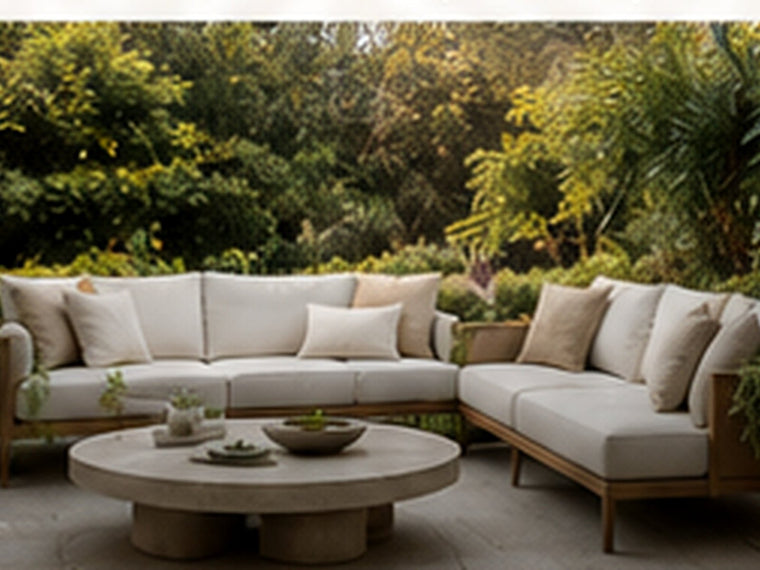
Finally, there’s the question of how the seating behaves in a full scheme. The strongest rooms aren’t built from matching sets. They’re built from relationships: the curve of an arm echoed in a mirror frame, the warmth of wood repeated in a table, a textile tone carried into cushions, a lamp shade, or even hardware. Seating is often the starting point for those relationships.
Choosing the right seating starts with the room, not the piece
Most people begin by falling for a sofa or chair. Designers begin by mapping the room’s function.
If the space is primarily for switching off, you’ll likely prioritise depth and softness. That often means a sofa with a generous seat, supportive cushions that don’t collapse into discomfort, and an overall profile that encourages lounging. If the room is more about hosting - drinks, conversation, the kind of evening that stretches - you’ll want seating that supports upright comfort and encourages easy movement in and out.
The dining area is even more specific. Dining chairs need to hold you comfortably through a long meal, but they also need to tuck neatly, align visually with the table, and handle daily wear. A chair that feels perfect in a showroom can become impractical if it’s too wide for the table setting or too delicate for the rhythm of your household.
A helpful way to decide is to be honest about what you do most. If your living room is used every day, choose the better sofa and simplify elsewhere. If you entertain often but lounge less, invest in chairs with presence and keep the sofa tailored. If your dining area doubles as a home office, comfort moves up the list very quickly.
Proportion: the quiet difference between “nice” and “right”
There are rooms filled with beautiful pieces that still feel slightly off. Almost always, it comes down to scale.
For sofas, length is only one part of the equation. Seat depth changes the way a room reads. A deep sofa can be glorious, but in a smaller living room it can steal circulation space and make everything feel compressed. A more refined depth gives the room breathing space and makes the overall layout feel intentional.
With armchairs, pay attention to visual weight. A chair with a wide stance and generous arms can ground a room, but it can also dominate if everything else is light and slender. Conversely, a delicate chair can look elegant, yet might feel underpowered next to a large sofa or a substantial coffee table.
Dining chairs need to relate to the table in both height and presence. If your table is bold, the chairs can either match that strength or provide contrast. The key is that the pairing looks deliberate. A heavy table with chairs that are too slight can feel unfinished, while matching everything too closely can read as predictable.
Upholstery and finishes: beauty that wears well
The most elegant seating is the kind you don’t have to fuss over.
Start with colour. Neutrals are enduring for a reason, but “neutral” is not a single shade. Warm neutrals (oat, sand, stone) create a welcoming atmosphere and flatter timber. Cooler neutrals (ash, dove, charcoal) feel sharper and more architectural. If your home already has warm finishes - wood, brass, amber lighting - a cool neutral can create modern contrast. If your palette is already cool, warm upholstery adds softness.
Texture is where a room becomes rich. Smooth fabrics can look crisp and tailored, while more textured weaves feel relaxed and forgiving. In practical terms, texture can also disguise minor marks and daily life far better than a flat, uniform finish.
If leather is part of your consideration, treat it as a long-term material choice rather than a styling decision. It offers a particular kind of polish and ages with character, but it also changes with use. That patina is a feature, not a flaw, but it suits some interiors more than others.
Finally, consider the leg and frame finishes as part of the room’s overall hardware story. The same way door handles and cabinet knobs influence the feel of a home, the metal and timber details in seating quietly set the tone. When those finishes are coherent across the room, everything looks more expensive.
Building a seating mix that feels collected, not coordinated
A common misconception is that premium interiors require perfect matching. The opposite is usually true.
A considered seating plan often pairs one “anchor” piece with supporting players. That anchor might be a sofa with enduring lines, while the supporting pieces introduce shape, contrast, or a slightly bolder textile. Alternatively, the anchor can be a pair of statement chairs, with the sofa acting as the calm backdrop.
If you’re mixing materials, keep one element consistent. It might be the timber tone, a repeated metal finish, or a shared colour family. That small thread is what makes a mixed scheme feel cohesive.
It also helps to decide where you want the eye to land first. If you want the room to feel serene, keep the seating palette tighter and let lighting and accessories add interest. If you want the room to feel expressive, allow one piece of seating to carry a more distinctive silhouette or fabric, and keep everything else quieter.
The showroom advantage: seeing comfort and scale properly
Online browsing is brilliant for building taste. It’s less reliable for judging comfort.
Seating is personal. Seat height, cushion feel, back support, and arm placement are all things you can’t fully understand from a photo. Even scale can be deceptive when you’re looking at a single item isolated on a white background.
That’s why a physical viewing is valuable, even for decisive buyers. Sitting for a few minutes tells you more than any description. You also get to see how different finishes behave in real light, which matters if your home has strong sun, moody evenings, or a mix of both.
If you’re shopping through a curated retailer like Luxonas, the point of the edit is that you’re not wading through endless versions of the same chair. You’re comparing pieces that have already passed a taste and quality filter, then choosing what best suits your home.
Styling seating so it looks finished (and stays that way)
Once you’ve chosen your seating, the room’s polish comes from the supporting decisions.
Start with spacing. A beautiful chair pushed into a corner usually looks accidental. Give it air, add a side table or a floor lamp, and it becomes a destination. Sofas benefit from the same thinking. A sofa floating slightly away from the wall can feel more considered, as long as the circulation still works.
Then look at the layers that touch seating: cushions, throws, and nearby surfaces. A small shift in tone - cream on stone, charcoal on dove, warm cognac against deep olive - is often enough. The goal is restraint, not clutter. Two or three well-chosen textiles will always look more elevated than a pile.
Finally, keep maintenance realistic. If you love crisp, pale upholstery but your household is busy, choose texture and slightly warmer tones that are more forgiving. If you adore a tailored look, accept that it may require more frequent plumping and care. Design always comes with trade-offs, and the right choice is the one that supports your actual life.
A closing thought
If you want your home to feel quietly exceptional, choose seating the way you choose jewellery: fewer pieces, better made, and worn often. The right chair becomes a ritual. The right sofa becomes the setting for a life. And once that foundation is in place, everything else - lighting, art, tableware, even the smallest finishing details - has something worthy to gather around.
0 comments