


A well-furnished room can still feel unfinished. Often, the difference lies not in the sofa or dining table, but in the quieter pieces around them - the lamp that softens the corner, the mirror that gives the wall purpose, the vessel that brings texture to a console. That is where luxury home accessories Malta homeowners increasingly seek out make their mark: not as afterthoughts, but as the finishing layer that gives a home its character.
In a place where light is strong, architecture is varied, and homes often shift between traditional stone features and cleaner contemporary lines, accessories have to do more than fill space. They need to hold their own. The best pieces introduce warmth, proportion and restraint, while still feeling distinctly personal.
What defines luxury home accessories in Malta?
Luxury is often misunderstood as ornament or excess. In interiors, it is usually the opposite. It is quality you can see in the finish and feel in daily use. A hand-finished mirror, a weighty ceramic vase, a beautifully balanced lamp base or a set of tableware with real presence will always outlast fast, trend-led alternatives.
For Maltese homes, there is an added consideration. Interiors here are shaped by climate, natural light and material contrast. Bright daylight can flatten poor-quality finishes, while compact spaces demand pieces with purpose. The most successful luxury accessories are those that combine beauty with composure. They do not compete with the room. They complete it.
This is why a curated approach matters. Buying decorative pieces one by one without considering the wider room often leads to visual noise. By contrast, selecting accessories as part of a cohesive interior creates a quieter kind of richness - one built on tone, scale and craftsmanship.
Luxury home accessories Malta interiors benefit from most
Some categories do more work than others. Lighting, mirrors, wall décor, tableware, textiles and decorative objects tend to have the strongest impact because they shape how a room is experienced, not simply how it looks in a photograph.
Lighting that changes the mood
Lighting is one of the clearest markers of an elevated interior. A room with considered lamps and accent lighting feels layered and intentional, especially in the evening. In Malta, where natural light is abundant for much of the day, this contrast matters even more. By night, a well-placed table lamp or sculptural floor lamp creates intimacy that overhead lighting rarely achieves.
The trade-off is practical. Statement lighting can transform a room, but scale is everything. In smaller living rooms or bedrooms, an oversized base or shade may dominate too heavily. The better choice is often a lamp with material interest - ceramic, stone, antique brass, smoked glass - rather than sheer size.
Mirrors with architectural value
A mirror should do more than reflect. It can correct proportions, draw light deeper into a room and give an otherwise plain wall a focal point. This is particularly effective in Maltese homes with limestone walls, narrow hallways or rooms that need softening.
The most luxurious mirrors tend to feel architectural rather than decorative. Think strong frames, refined finishes and shapes that relate to the rest of the scheme. A heavily embellished mirror may suit a more classical interior, but in many homes a cleaner silhouette will age better.
Textiles that bring softness and depth
Cushions, throws and table linens are often the easiest route to refinement, yet they are also where many interiors lose discipline. Too many patterns, too many competing tones, and the room starts to feel unsettled.
Luxury textiles work best when they add tactile contrast. Linen against velvet, a soft woven throw on a structured armchair, or muted cushions that echo the palette of surrounding furniture can make a room feel composed. The emphasis should be on touch as much as appearance. Homes with stone, timber and metal surfaces need that softness.
Tabletop and decorative objects with restraint
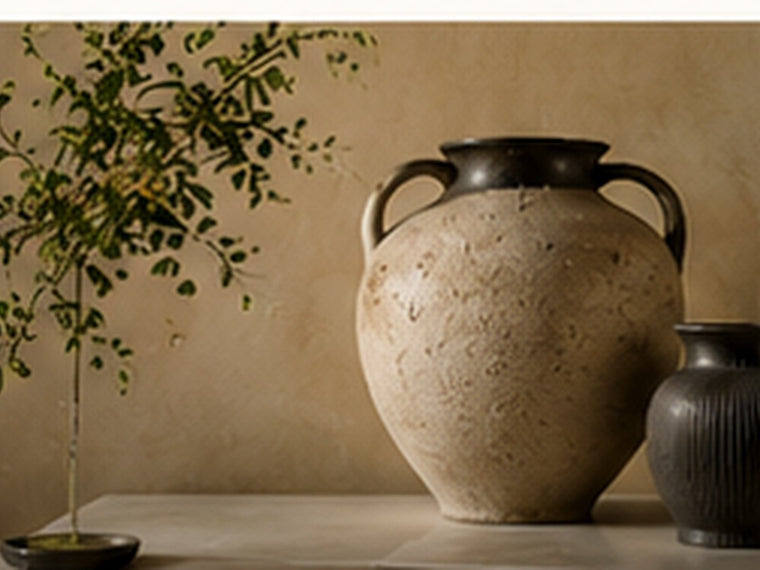
A dining table, coffee table or sideboard rarely needs much. One generous bowl, a pair of candlesticks, a considered tray or a sculptural vase often achieves more than a cluster of smaller items. This is where restraint becomes part of the luxury.
Decorative accessories should create rhythm, not clutter. If every surface is styled, nothing stands out. The better approach is to let a few pieces carry visual weight.
How to choose accessories that feel timeless
Timeless interiors are rarely built on impulse. They come from editing well and choosing pieces that can move with the home over time. This does not mean every item must be neutral or conventional. It means each piece should have staying power.
Start with material quality. Glass, ceramic, marble, metal, natural wood and quality textiles tend to mature well. Even when finishes change slightly with use, they usually gain character rather than losing appeal. The opposite is often true of low-grade synthetics or trend-led finishes that date quickly.
Then consider proportion. A common mistake is buying accessories in isolation without measuring the surface or wall they are meant to sit on. A beautiful object can still look wrong if its scale is disconnected from the furniture around it. A large dining table can hold a centrepiece with real presence. A slim console needs something lighter and taller. Good styling is often simple mathematics made graceful.
Colour deserves equal care. In Malta's strong natural light, undertones show clearly. Warm whites, sand, olive, charcoal, bronze and deep earthy tones usually settle well into local interiors because they sit comfortably with stone, timber and coastal brightness. That said, a darker accent can be highly effective if the room already has enough softness elsewhere.
The case for a cohesive, room-by-room approach
Accessories are most effective when chosen in relation to the furniture and architecture already in place. A living room might need a mirror to balance a wall, a lamp to soften a corner and a few tactile pieces to break up hard edges. A dining area may benefit more from a centred statement bowl, elegant candlesticks and wall décor that reinforces the vertical line of the table setting.
This is why room-by-room curation tends to produce better results than shopping by category alone. It helps prevent a home from feeling assembled in fragments. When dining chairs, lighting, wall art and tabletop are considered together, the result feels intentional rather than simply expensive.
For homeowners completing a broader refresh, this matters even more. Furniture lays the foundation, but it is the finishing layer that brings coherence. Premium wallpapers, hardware such as handles and knobs, and decorative accessories all contribute to the final impression. They are not separate decisions. They are part of the same visual language.
Where design-conscious homeowners shop for luxury home accessories Malta wide
For a premium interior, selection matters as much as product quality. Too much choice can dilute confidence. An edited assortment, by contrast, helps homeowners move decisively and build rooms that feel resolved.
This is where a showroom-led retail experience still holds value. Seeing lighting, mirrors, tableware, textiles and decorative pieces in context makes proportion and finish easier to judge. It also helps homeowners understand how categories work together across a single scheme. For those balancing convenience with considered purchasing, an omnichannel approach offers the best of both: the ease of browsing online and the assurance of a physical showroom.
At Luxonas, this philosophy sits at the centre of the offering. The collection spans statement pieces and curated essentials across furniture, décor, lighting, tabletop, textiles, wallpapers and finishing details, with delivery across Malta and Gozo and a showroom presence in Żebbuġ for those who prefer to experience pieces in person. The result is a more cohesive way to shop - one that supports a complete interior rather than a series of disconnected purchases.
When to invest, and when to hold back
Not every accessory needs to be a statement, and not every room needs the same level of detail. Investment makes sense where a piece has lasting visual influence or daily use. Lighting, mirrors, quality vases, timeless tableware and substantial decorative objects tend to justify their place over time.
Elsewhere, a lighter touch may be wiser. Seasonal styling, for instance, can be expressive without becoming excessive. A home should feel layered, not overloaded by constant novelty. The most elegant interiors leave some space unfilled.
A useful rule is this: buy fewer pieces, but buy them well. One excellent lamp will outlive several forgettable ones. One beautifully made bowl can anchor a dining table for years. Luxury is not abundance. It is discernment.
The homes that stay with you are rarely the ones with the most decoration. They are the ones where every detail feels chosen, where craftsmanship is visible, and where nothing looks accidental. If you are refining your interior, the finishing layer deserves the same attention as the foundation - because that is often where the room finally becomes your own.
0 comments